
Author

Clare Louise

Browsing

Delve into the pivotal role of public adjusters in insurance claims, serving as staunch advocates for policyholders by meticulously assessing damages, skillfully negotiating with insurers, and bridging the gap between clients and intricate policies. Explore the escalating demand for adept public adjusters in navigating the intricate landscape of insurance claims amidst rising natural disasters and unforeseen events, offering an alluring career path. Uncover the prospects of a fulfilling profession as a public adjuster, harmonizing problem-solving, negotiation, and empathy to secure equitable compensation and tranquility for policyholders, making meaningful contributions to communities while embarking on a lucrative and purpose-infused journey.

Navigating Your Path

Educational Journey and Licensing

Embarking on a fulfilling career as a public adjuster necessitates fulfilling specific education and certification requisites. While these prerequisites may slightly differ depending on your location, they generally involve completing pertinent coursework and obtaining the requisite licenses. These endeavors lay the groundwork for comprehending insurance policies, claims procedures, and legal mandates, equipping you with the essential knowledge to excel.

Cultivating Crucial Competencies

Crafting a thriving career in public adjusting hinges on the cultivation of key skills. Foremost among these is effective communication. Regular interactions with clients, insurers, and professionals demand the ability to convey complex concepts clearly and empathetically. Meticulous attention to detail proves paramount in accurately assessing property damage and precisely calculating claims. Adept negotiation skills further empower you to secure optimal settlements for your clients, underscoring your value. By fostering these proficiencies, you establish a solid stance in the dynamic realm of public adjusting, poised for enduring success.

Building a Strong Foundation

Choosing: Established Firms or Independence

Embarking on your journey as a public adjuster involves a pivotal decision: to align with established firms or venture independently. Established firms offer structured guidance and resources, aiding your early growth. Conversely, starting independently grants autonomy but demands self-sufficiency and a steep learning curve. Reflect on your goals and learning style to make a choice that suits your aspirations.

Networking: Forging Professional Bonds

Networking is the cornerstone of a thriving public adjusting career. Forge relationships with experienced peers, mentors, and industry insiders. Attend industry events, workshops, and online forums to exchange insights and broaden your perspective. Building a robust professional network not only opens avenues for learning but also cultivates opportunities for collaboration, elevating your career prospects.

Embarking on Your Journey

Managing Claims and Client Expectations

Effectively managing claims and client expectations is essential for a successful career as a public adjuster. This involves meticulously evaluating the details of each claim, collaborating with clients to understand their needs, and setting realistic expectations for the claims process. By establishing clear communication channels and offering transparent insights into the potential outcomes, you can build trust and foster positive client relationships. Keeping clients informed about the progress of their claims, addressing their concerns promptly, and ensuring they have a realistic understanding of the timeline and possible results are key components of this phase.

Navigating Challenges and Ethical Considerations

As you navigate the dynamic landscape of public adjusting, you’ll encounter various challenges and ethical considerations that require careful navigation. These could range from negotiating with insurance companies to handling disputes and complex situations. It’s crucial to maintain a strong ethical compass throughout your interactions, always putting your client’s best interests first. Balancing your role as an advocate for your client while adhering to ethical standards within the industry is a delicate yet critical aspect of your journey. By staying informed about the latest regulations and industry practices, you can confidently make decisions that align with both professional standards and your client’s needs.

Embarking on a career as a public adjuster offers a gratifying fusion of advocacy, negotiation, and empathy. Guiding clients through complex insurance claims while upholding ethical principles creates a meaningful impact. From mastering communication to navigating challenges, this journey promises both personal growth and professional success in a dynamic field that bridges protection and peace of mind.

Publisher’s Details:

Avner Gat Public Adjusters
1026 S Broadway #613, Los Angeles, CA 90015
(818) 917-5256
avnergat.com
info@avnergat.com

As you embark on your journey to becoming a public adjuster, understanding the pivotal moments when hiring a public adjuster becomes essential. Read: When to Hire a Public Adjuster for valuable guidance in this regard. And for top-notch public adjuster services in Norwalk, CA, look no further than Avner Gat, Inc. Their exceptional expertise ensures the best assistance for your needs.

Unit Linked Insurance Plans (ULIPs) are a popular investment option that combines life insurance and investment in a single product. ULIPs offer investors the flexibility to choose from a range of ULIP Funds based on their investment objectives and risk profile. These funds can be broadly classified into equity, debt, and balanced funds. Each of these funds has its unique investment plan and risk-return profile, allowing investors to diversify their portfolios and manage risk effectively.

With ULIPs, you can have insurance coverage and the added benefit of saving for objectives throughout your life. The ULIP calculator is a simple tool that you can use to predict the return you might get at maturity by entering a few details.

ULIPs are transparent life insurance plans that allow you to modify the selected investment funds in response to market circumstances.

Fund Name Fund Objective Risk Rating
Growth Super Fund Focus is on equity markets, with 70% of the portfolio always invested in stocks.

The remaining 30% is put into debt instruments, including corporate, government, and money market papers.

High
Balanced Fund Investing mostly in debt instruments, such as government securities, corporate bonds, and money market notes issued by the government of India or state governments, as well as, to a lesser extent, corporate bonds and money market instruments.

Equity exposure ranges from 10% to 40%.

Medium
Growth Fund The fund’s equity investment ranges from 20% to 70%.

The remaining 30% to 80% is invested in debt securities, including the money market and corporate papers.

High
Conservative Fund Investing mostly in debt instruments, such as government securities, corporate bonds, and money market notes issued by the government of India or state governments, as well as, to a lesser extent, corporate bonds and money market instruments.

The maximum equity exposure is 15%.

Low
Secure Fund invests in debt instruments such as corporate bonds, money market notes, and government securities issued by the Indian government, state governments, corporations, and banks.

The fund also makes money market investments in accordance with IRDAI guidelines.

Equity investments are not made.

Low

Redirection and Switching

Numerous plan alternatives are available to control the turbulent market, including switching and redirection. These are the two methods by which you can control their returns during a choppy market.

Re-direction is the allocation of future premiums, in full or in part, to fund(s) accessible, whereas switching is the transfer of your corpus from the fund(s) to other available funds.

As your life evolves, you choose your fund depending on your shifting risk tolerance and financial objectives. These practical choices will shield you from market swings by balancing the investing portfolio between debt and equity.

Unlike typical insurance policies, unit-linked insurance products (ULIPs) are influenced by risk factors. The Unit Linked Life Insurance Policies’ premiums are subject to the investment risks associated with the capital markets. The units’ NAVs may increase or decrease depending on the fund’s performance and other capital market factors. The insured is ultimately responsible for his or her choices. Please be aware of the dangers and associated costs from your insurance agent, the intermediary, or the insurance policy paperwork. In a ULIP, the policyholder assumes the risk associated with the investment portfolio. During the first five years of the contract, there is no liquidity provided by the associated insurance products. Till the conclusion of the fifth year, the policyholder will not be allowed to fully or partially surrender/withdraw the money invested in connected insurance products.

Unit Linked Insurance Plans (ULIPs) offer a variety of ULIP Funds to cater to the diverse investment needs and risk appetites of investors. These funds can be broadly classified into equity, debt, and balanced funds. Equity funds invest primarily in stocks and are suitable for investors with a higher risk appetite and a long-term investment horizon. Debt funds invest primarily in fixed-income securities such as bonds and are suitable for investors who prefer lower-risk investments with a steady income stream. Balanced funds invest in equities and fixed-income securities, balancing risk and return.

Investors in ULIPs can choose the fund that best suits their investment objectives, financial goals, and risk profile. The fund selection should be based on the investor’s age, income, financial obligations, and investment horizon.

Overall, the type of funds in ULIPs provides investors various investment options to help them achieve their financial objectives while managing risk. As with any investment, it is important to carefully consider one’s goals, risk tolerance, and investment horizon before choosing a ULIP fund.

To calculate your expected sum assured, utilise the ULIP calculator.

The forex-white-label provider is a key player in the forex market by providing a variety of services for new forex traders. These include fully customizable trading platforms, liquidity, back office management including risk management, as well as technical assistance. The services enable brokers to stay clear of the complexity and high costs of establishing their own trading platform. Instead, they are able to concentrate on acquiring and maintaining traders. But, selecting a reliable white-label forex provider isn’t an easy task for new brokers. In this article, we will explain the factors new brokers need to keep in mind while picking their white-label provider.

When choosing a white label forex broker the new broker should focus on choosing a company with an established reputation and track record in the industry. This will ensure that the brand new broker’s trading platform is solid and high-quality that will help build credibility and attract new traders. To assess whether a white-label forex broker is trustworthy new brokers must look at a variety of indicators. The track record of the company and its reputation in the market are two of the most crucial factors to take into consideration. It’s important to read reviews and testimonials from other brokers who have utilized their services to get the knowledge of their reliability and quality of service.

Examine the regulatory status of the company. Brokers must make sure that the provider is licensed and regulated by a credible financial authority in order to ensure they are able to provide trustworthy and reliable services. Brokers should also ensure that the provider offers comprehensive risk management services that ensure the security of the traders’ funds. A white-label forex provider should provide the possibility of modifying the platform for trading. A customizable platform can be tailored to the specific requirements and preferences of the new broker, which can result in greater customer satisfaction and increased trading volume. This can allow new brokers to create an identity for their brand and stand out from the competition.

New brokers should also look for a provider that offers 24 hour technical support that can quickly solve any issues that might arise. Furthermore, comprehensive risk management services will help new brokers reduce risks and ensure the security of their traders’ funds. There are however factors that brokers who are new should avoid when selecting a white label forex broker. In particular they shouldn’t base their choice solely on price, as a provider offering low prices might not offer the same level of quality services as a company that charges for a higher cost. Also, a broad range of trading instruments should not be the sole factor to consider in determining the quality of the trading platform and the services provided should be the primary focus.

If you are a new broker and would like to establish their own trading platform white label forex providers are an economical and efficient option. New brokers should search for an experienced provider that can provide customized trading platforms and technical support 24 hours a day, and a comprehensive risk management. By avoiding common mistakes, such as solely focusing on the price or trading tools that are offered, new brokers are able to choose a reputable white-label provider for forex and boost their chances of establishing an effective forex brokerage.

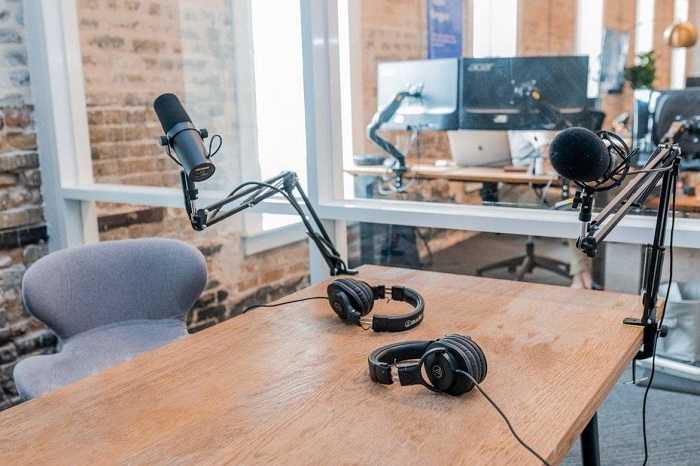
Podcasting has become an increasingly popular form of media, with millions of people tuning in each day to listen to their favorite shows. To produce a high-quality podcast, it’s important to have the right equipment and sound quality. This is where renting a professional podcast studio comes in. In this article, we’ll explore the benefits of renting a professional podcast studio and why it’s worth the investment.

High-Quality Equipment

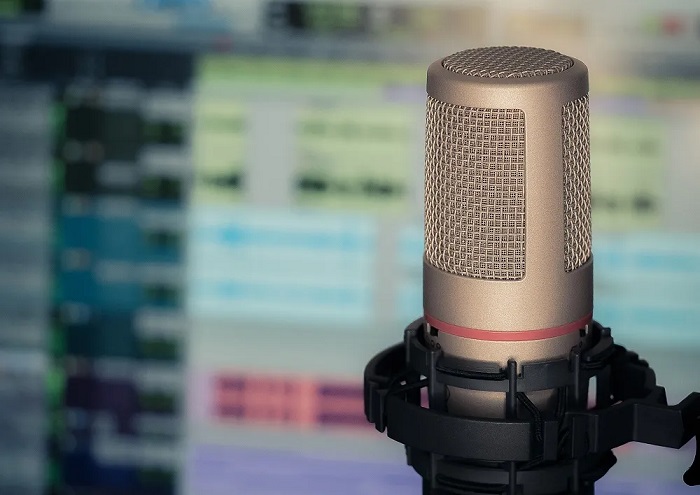
One of the biggest benefits of renting a professional podcast studio is access to high-quality equipment. The latest and greatest podcasting equipment can be expensive to purchase, but when you rent a studio, it’s included in the cost. This gives you the opportunity to experiment with different microphones, audio interfaces, and other gear to find the perfect setup for your podcast.

Professional Sound Quality

Another benefit of renting a professional podcast studio is the professional sound quality you’ll get. The acoustics of the studio, combined with the equipment and expertise of the technicians, will ensure that your podcast sounds crisp, clear, and professional. Whether you’re recording an interview or simply speaking into the microphone, you’ll be amazed at the difference in sound quality compared to recording in a home studio or other makeshift setup.

Improved Production Value

When you rent a professional podcast studio, you’re not only investing in the sound quality of your podcast, but also in the overall production value. A professional studio setup allows you to add sound effects, music, and other elements to your podcast, giving it a polished and professional feel. This can help attract more listeners and make your podcast stand out from the competition.

Access to Experienced Technicians

Finally, when you rent a professional podcast studio, you’ll have access to experienced technicians. These technicians can help you set up your equipment, troubleshoot any issues, and provide guidance on how to get the best sound quality possible. Having access to experienced technicians can save you time and frustration, and allow you to focus on what you do best – creating your podcast.

Renting vs Building Your Own Studio

When it comes to producing a high-quality podcast, you have two options – rent a professional podcast studio or build your own. While building your own studio can provide you with complete control and flexibility, it can also be expensive and time-consuming. On the other hand, renting a professional podcast studio is a cost-effective solution that gives you access to the same high-quality equipment and sound quality without the upfront costs and ongoing maintenance expenses.

Saving Money on Equipment Costs

In addition to the upfront costs of building your own studio, there are ongoing expenses such as maintenance, repairs, and upgrades. When you rent a professional podcast studio, you won’t have to worry about these expenses, as they’re included in the cost of the rental. This can save you hundreds or even thousands of dollars over time.

Podcasts have become an increasingly popular form of media in recent years, offering listeners a convenient and intimate way to consume content. Whether you’re an aspiring content creator, entrepreneur, or simply looking for a new hobby, starting a podcast can be an exciting and rewarding experience. In this article, we’ll explore the key steps to launching a successful podcast, drawing on the expertise and experiences of local podcasters.

Planning Your Podcast

The first step to starting a successful podcast is to plan it out. You’ll need to define your target audience, determine your niche or topic, establish your brand and image, and set goals and a schedule.

Define your target audience: Who do you want to reach with your podcast? Knowing your target audience will help you create content that resonates with them.

Determine your niche or topic: What do you want to talk about? Choose a topic that you’re passionate about and knowledgeable in.

Establish your brand and image: This includes everything from your logo to your show’s name, as well as the overall tone and vibe of your podcast.

Set goals and establish a schedule: Determine how often you want to release episodes and stick to a consistent schedule.

Finding Your Voice and Style

Once you have a solid plan in place, it’s time to develop your voice and style. This includes experimenting with different formats, determining the length of your episodes, choosing music and sound effects, and deciding on the tone and delivery of your content.

Experiment with different formats: Will your podcast be a solo show, co-hosted, or an interview-style show? Try out different formats until you find one that works best for you.

Determine the length of your episodes: Most podcasts run between 30 minutes and an hour, but ultimately, the length of your episodes should be determined by the content you want to cover.

Choose music and sound effects: Music and sound effects can help set the mood and enhance your content. Choose music and sound effects that complement your show’s tone.

Decide on the tone and delivery of your content: Will your show be serious, humorous, or a mix of both? Decide on the tone and delivery of your content and stick to it.

Equipment and Software

The next step is to get the equipment and software you need to record and edit your podcast. This includes basic recording and editing equipment, popular podcast hosting and distribution platforms, tools for enhancing audio quality, and tips for using software effectively.

Basic equipment for recording and editing: You’ll need a microphone, headphones, and a computer with audio editing software.

Popular podcast hosting and distribution platforms: Some popular platforms include Anchor, Libsyn, and Buzzsprout. Choose a platform that best fits your needs.

Recommended tools for enhancing audio quality: Tools like pop filters and shock mounts can help improve your audio quality.

Tips for using software effectively: Learn how to use your editing software to its full potential. Experiment with different tools and techniques until you find what works best for you.

Marketing Your Podcast

Once you have a solid plan in place and the equipment and software you need, it’s time to start marketing your podcast. This includes creating a website and social media presence, utilizing advertising and sponsorships, building an audience through guest appearances and collaborations, and monetizing your podcast through merchandise and Patreon.

Creating a website and social media presence: A website and social media presence will help you promote your show and connect with your audience.

Utilizing advertising and sponsorships: You can monetize your podcast through advertising and sponsorships. Connect with brands that align with your niche or target audience.

Building an audience through guest appearances and collaborations: Invite guests and collaborate with other podcasters to reach a wider audience and provide new and diverse content.

Monetizing your podcast through merchandise and Patreon: Offer merchandise such as t-shirts, mugs, and other items related to your podcast. You can also use platforms like Patreon to receive monthly contributions from your supporters.

Conclusion

Starting a podcast can be an exciting and rewarding experience. By defining your target audience, determining your niche or topic, establishing your brand and image, and using the right equipment and software, you can launch a successful podcast. Remember to market your podcast effectively, and always be open to trying new things and evolving your content. Good luck, and happy podcasting!