
Category

Business

Category

Security is paramount when selecting a micro-payment processing platform. You want to ensure customer personal information and transaction data remains protected. As micro-payments gain adoption, criminals increasingly target these systems. This article benchmarks the core security features of leading micro-payment processors. We will compare Coil, Bitpay, Flooz, SatoshiPay, and Peppercorn on criteria including encryption, authentication, blockchain features, transparency, and customer support. Read on to determine which platform offers the best security protections.

Encryption & data security

Robust encryption secures payment and account data in transit and at rest. All five platforms use SSL/TLS encryption for Internet traffic and restrict internal data access. Coil does not store any customer payment information.  SatoshiPay emphasizes minimal data collection for increased privacy. Bitpay and Peppercorn allow payments via privacy-focused cryptocurrencies like Monero. Overall encryption levels are similar, meeting industry standards.

Identity authentication & authorization

Multi-factor authentication (MFA) with biometrics or codes helps prevent unauthorized account access. Bitpay provides optional MFA but it’s not required. Flooz and Peppercoin currently lack MFA support. In contrast, Coil mandates Google OAuth login tying accounts to a user’s Gmail identity. SatoshiPay has integrated facial recognition login powered by Yoti for robust security. For authentication, SatoshiPay edges ahead of its competitors.

Blockchain security features

Bitpay, SatoshiPay, and Flooz leverage blockchain ledgers to varying degrees for transparency, decentralization, and immutability. SatoshiPay uses the stellar blockchain combined with smart contracts for additional security programming logic. nCoil does not use blockchain technology directly but interacts with crypto wallets. Peppercorn has no blockchain integration currently. For underlying blockchain protections, SatoshiPay and Bitpay excel.
Visit https://www.moneylife365.com/ for Additional Details

Transparency & accountability

Publishing security policies, making code auditable, and detailing practices instill confidence. Bitpay’s open-source code enables external validation. SatoshiPay conducts regular audits and discloses business processes. Coil and Peppercorn share comparatively less about their internal security. Flooz is moderately transparent. Bitpay and SatoshiPay’s transparency makes them stand out.

Customer support & incident response

Robust customer service provides assistance when users encounter issues. All platforms offer email support and online resources. Coil provides the most limited options. Bitpay, Peppercoin, and SatoshiPay add phone and chat support.

Flooz also offers a live support bot via Messenger. For user assistance, Bitpay and SatoshiPay again appear superior through varied contact methods. While all micro-payment platforms meet baseline security requirements, SatoshiPay emerges as the leader. Their use of blockchain technology, multi-factor authentication, transparency, and customer support are unmatched.

Bitpay also excels on several fronts like blockchain, transparency, and customer service. Coil lacks advanced authentication but benefits from Google integration. Flooz and Peppercorn lag behind competitors but still offer essential protections. As micro-payments scale, security demands will continue growing. Users should examine provider features closely, as risks are inherent in any financial transaction system. SatoshiPay’s current model provides the blueprint for a robust, trusted platform.

Introduction

In the ever-evolving world of business, uncertainty is a constant. Organizations must navigate through changing market trends, economic shifts, technological advancements, and unforeseen events. To effectively steer their ship, businesses harness the power of forecasting – a strategic process that involves analyzing historical data, trends, and relevant indicators to make informed predictions about the future. By embracing forecasting, businesses can better anticipate challenges, seize opportunities, allocate resources wisely, and ultimately achieve long-term success.

The Significance of Forecasting

  1. Anticipating Change: Forecasting allows businesses to foresee changes in market demand, consumer preferences, and industry trends. This foresight enables proactive adjustments to strategies and operations.
  2. Informed Decision-Making: Forecasts provide decision-makers with insights to make informed choices regarding production levels, inventory management, pricing strategies, and resource allocation.
  3. Risk Mitigation: By identifying potential risks and challenges, businesses can develop contingency plans and strategies to mitigate the impact of adverse events.
  4. Resource Optimization: Accurate forecasting aids in efficient resource allocation, preventing wastage and ensuring that the right resources are available when needed.

Types of Forecasting

  1. Demand Forecasting: Businesses predict consumer demand for products or services. Accurate demand forecasting helps in managing inventory, production, and meeting customer expectations.
  2. Financial Forecasting: This type focuses on projecting a company’s financial performance, including revenue, expenses, and profits. It aids in budgeting, financial planning, and investment decisions.
  3. Sales Forecasting: Sales forecasts estimate future sales based on historical sales data, market trends, and external factors. It guides sales and marketing strategies.
  4. Technology Forecasting: In the rapidly evolving tech landscape, businesses forecast technological advancements to stay competitive and make informed technology-related decisions.

Benefits of Effective Forecasting

  1. Improved Planning: Forecasting guides long-term strategic planning by identifying potential challenges and opportunities, ensuring that a business is well-prepared for various scenarios.
  2. Resource Allocation: Accurate forecasts prevent overallocation or underutilization of resources, optimizing operational efficiency and reducing costs.
  3. Effective Marketing: Understanding market trends and customer preferences helps tailor marketing strategies to target the right audience at the right time.
  4. Risk Management: Businesses can identify and mitigate risks early on, reducing potential losses and ensuring business continuity.
  5. Capital Management: Financial forecasts aid in managing cash flow, securing financing, and making investment decisions aligned with business goals.

Challenges and Considerations

  1. Data Quality: Accurate forecasts rely on accurate data. Inaccurate or outdated data can lead to unreliable predictions.
  2. External Factors: Economic shifts, political events, and unexpected crises can disrupt forecasts. Businesses need to build flexibility into their strategies.
  3. Assumptions and Biases: Forecasts are based on assumptions, which can introduce bias. Objectivity and a holistic view are crucial.
  4. Complexity: Forecasting involves complex mathematical models and methodologies. Ensuring the right expertise is available is vital.
  5. Constant Monitoring: Forecasts need to be monitored and adjusted regularly to reflect changing conditions and refine predictions.

Conclusion

In the fast-paced and dynamic business landscape, forecasting emerges as a powerful tool that equips organizations with the ability to anticipate challenges and capitalize on opportunities. By analyzing historical data, market trends, and relevant indicators, businesses can navigate uncertainty with greater confidence and make strategic decisions that align with their goals. Effective forecasting transforms business operations from reactive to proactive, enabling companies to stay ahead of the curve and position themselves for sustainable growth and success.

In professional networking, LinkedIn stands as the ultimate platform for connecting with industry peers, potential clients, and collaborators.

But here’s the catch – how do you move from a LinkedIn connection to securing a valuable contact via email?

This article reveals tested and proven techniques that will elevate your LinkedIn outreach strategy, enabling you to cultivate meaningful connections that extend beyond the confines of the platform.

Crafting the Perfect LinkedIn Connection is the Foundation

Before delving into the art of transitioning from LinkedIn to email, it’s essential to master the initial connection.

When sending connection requests, it’s important to personalize your message. Avoid using an invitation as it can easily be ignored.

Instead take the time to craft a message that genuinely shows interest, in the recipients’ profile. You could make use of the AI tools like ChatGPT to craft your personalized message to send to your connections.

This personal touch is more likely to result in your request being accepted.

Building and nurturing relationships is key on LinkedIn

Once you’ve established a connection, take proactive steps to engage with their content through actions like liking, leaving thoughtful comments, or sharing their posts.

These meaningful interactions demonstrate that you value their insights and opinions making them more open to any outreach from you.

Leveraging shared interests or connections can be advantageous when reaching out via email.

If you’ve discovered any ground on LinkedIn, such as interests or connections mention them in your email.

This helps establish a connection from the start and makes your email feel less like a cold outreach and more like a natural continuation of your connection.

Crafting an email pitch requires finesse

Start by addressing the recipient by their first name and briefly acknowledging your connection on LinkedIn.

Highlight any shared interests or connections you’ve found emphasizing the authenticity of your approach.

It’s also important to provide value upfront—for example sharing an article mentioning an achievement of theirs or offering industry related insights.

Email Search Engine – Your Secret Weapon

One exciting tool that can greatly simplify your LinkedIn outreach is the “email search engine.”

This powerful tool enables you to discover email addresses of your LinkedIn connections or potential connections.

Just imagine the efficiency of connecting through a channel like email, free from the limitations of LinkedIn’s messaging system.

For example, if you’re aiming to expand your network within the marketing industry you can leverage the email search engine to identify marketing professionals.

From there you can compose an email introducing yourself highlighting shared interests and showcasing your value proposition.

This approach does not boost the likelihood of your email being read.

It also positions you as a proactive and resourceful professional.

Cultivating Relationships Through Follow-up

If you don’t receive a response after reaching out don’t be discouraged. People lead lives.

It’s possible that your email landed in their inbox at an inconvenient time.

Consider sending a follow up email after a week or two restating your interest in connecting and offering any insights or resources.

Remember that persistence combined with professionalism goes away.

Concluding Thoughts

LinkedIn offers a networking opportunity. Turning those connections into valuable contacts requires finesse and a thoughtful approach.

By customizing your connections nurturing relationships and utilizing the capabilities of the “email search engine” you’re on track to becoming proficient in LinkedIn outreach.

Keep in mind that successful networking involves building relationships – connections that go beyond the realm and resonate, through meaningful email exchanges.

Do you ever question the necessity of renters insurance? It’s easy to brush off, seeing it as just another expense. But is it?

You might doubt how renters insurance can help, and you visit page of the reputed companies to enquire.

Well, don’t worry! In this concise guide, we’ll address this query head-on.

Understanding Renters Insurance

Renters insurance is a type of insurance policy that helps protect your personal belongings and liability in the event of a covered loss. It’s not a must by law in most places, but it is a wise investment for renters of all ages and incomes.

What Does Renters Insurance Cover?

Renters’ insurance typically covers the following:

  • Personal Property: This includes your furniture, clothing, electronics, appliances, and other belongings. The value of your belongings will determine the amount of coverage you need.
  • Loss of Use: This coverage pays for additional living expenses if your rental unit is damaged or destroyed and you cannot live there. This could include things like hotel bills, food, and transportation costs.
  • Liability: This coverage protects you if you get sued for damages caused by your negligence. For example, if someone is injured in your rental unit, your liability coverage could help pay their medical bills and other expenses.
  • Medical Payments to Others: This coverage pays for the medical expenses of someone harmed in your rental unit, regardless of who is at fault.

Ways Renters Insurance Can Protect Your Rental Property?

Renters insurance plays a pivotal part in protecting you against sudden losses or damages to your property, which may arise from situations like theft, fire, or even severe weather events.

·         Securing Personal Possessions

Did it ever cross your mind that renters insurance can defend everything from furniture to electronics and clothing? It’s astounding, right? It can even guard your items when you’re out and about.

·         Liability Coverage

‘What exactly is liability coverage?’ — you’re probably wondering. Liability coverage is beneficial when you’re held accountable for harm to property or people. Visualize a scenario where someone slips and falls in your apartment, requiring recompense — that’s where renters insurance steps in.

Abundant Living Expenditures!

Now, picture the horror: your rented dwelling is decimated by a disaster, making it unlivable. What happens next? This concern is where renters insurance comes to the rescue, shouldering the cost of alternative lodgings. Isn’t that comforting?

Renter’s insurance should never be seen as a luxury. However, it’s a vital necessity.

Renters Insurance Considerations

When deciding on renters insurance, remember these tips:

  1. Evaluate the worth of your belongings to figure out the coverage you need.
  2. Look around for the most advantageous offers.
  3. Get a grip on the complexities of liability insurance and choose the one that fits you best.

Conclusion

It doesn’t seem as daunting now — does it?

We’ve cracked the mystery of ways renters insurance can protect you and charted a course through its numerous benefits.

Remember, insurance exists to support us, not to submerge us in needless costs. Defend your rented haven and give yourself genuine peace of mind. After all, home is where the heart lies, and we need to make every effort to defend it. Visit page of renowned rent insurance providing company for stress-free renting!

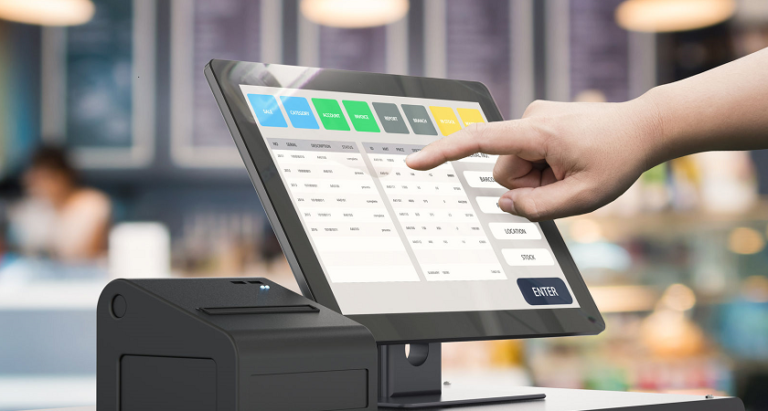
Point of Sale (POS) systems are essential tools for any business that wants to streamline its operations and improve customer service. However, like any technology, POS systems can experience issues that can disrupt your business and cause frustration for your customers.

Common POS Issues

  1. Slow Performance: Slow performance is one of the most common issues that businesses face with their POS systems. This can be caused by a variety of factors, including outdated hardware, software conflicts, and network issues.
  2. Payment Processing Errors: Payment processing errors can occur for various reasons, such as incorrect card information, expired cards, insufficient funds, or connectivity issues.
  3. Inventory Management Issues: Inventory management is a crucial aspect of any business, and POS systems can help automate the process. However, issues such as incorrect inventory counts, missing items, or inaccurate pricing can cause significant problems.
  4. Software Glitches: Software glitches can cause your POS system to freeze, crash, or malfunction. These issues can be caused by bugs in the software, compatibility issues, or outdated software.

Tips for Troubleshooting Common POS Issues

  1. Slow Performance: To troubleshoot slow performance, start by checking your hardware. Ensure that your computer or tablet meets the minimum system requirements for the Point of sales software. If your hardware is outdated, consider upgrading to a newer model. Additionally, check for conflicts with other software on your device. Finally, ensure that your network is operating correctly and that your internet connection is stable.
  2. Payment Processing Errors: To troubleshoot payment processing errors, start by checking the card information entered by the customer. Ensure that the card number, expiration date, and CVV are correct. If the card is declined, ask the customer to check with their bank to ensure that they have sufficient funds. If the issue persists, check your network connection and contact your payment processor for further assistance.
  3. Inventory Management Issues: To troubleshoot inventory management issues, start by conducting a physical inventory count to ensure that your records are accurate. If you find discrepancies, investigate the cause and make the necessary adjustments. Additionally, ensure that your pricing is correct, and that your POS system is properly synced with your inventory management software.
  4. Software Glitches: To troubleshoot software glitches, start by updating your POS software to the latest version.

If the issue persists, check for compatibility issues with other software on your device. Additionally, ensure that your device meets the minimum system requirements for the POS software. If all else fails, contact your POS software provider for further assistance.

Preventing POS Issues

Preventing POS issues is essential for ensuring smooth business operations and happy customers. Here are some tips for preventing POS issues:

  1. Regular Maintenance: Regularly maintain your POS hardware and software to ensure that they are up to date and functioning correctly.
  2. Training: Ensure that your staff is properly trained on how to use the POS system. This will help prevent user errors and reduce the risk of issues.
  3. Security: Protect your POS system from security threats by implementing strong passwords, limiting access to sensitive information, and using anti-virus software.
  4. Backups: Regularly backup your POS data to prevent loss of important information in case of hardware or software failure.

Choosing the Right POS System

Choosing the right Point of sales system is crucial for preventing issues and ensuring that your business runs smoothly. Here are some factors to consider when choosing a POS system:

  1. Compatibility: Ensure that the POS system is compatible with your hardware and software.
  2. Ease of Use: Choose a POS system that is user-friendly and easy to learn, which will help prevent user errors and reduce the risk of issues.
  3. Features: Choose a POS system that has the features you need, such as inventory management, reporting, and payment processing.
  4. Customer Support: Ensure that the POS system provider offers reliable customer support, which will help you troubleshoot issues and prevent downtime.
  5. Cost: Consider the cost of the POS system, including hardware, software, and ongoing support, to ensure that it fits within your budget.

Outsourcing POS Support

Outsourcing POS support can be an effective way to prevent and troubleshoot issues. Here are some benefits of outsourcing POS support:

  1. Expertise: Outsourcing POS support gives you access to experts who have experience troubleshooting and preventing issues.
  2. Cost-Effective: Outsourcing POS support can be more cost-effective than hiring an in-house support team.
  3. Time-Saving: Outsourcing POS support can save you time and allow you to focus on other aspects of your business.
  4. 24/7 Support: Outsourcing POS support can provide 24/7 support, which can help prevent downtime and keep your business running smoothly.

Conclusion

In conclusion, choosing the right POS system, preventing issues, and troubleshooting common issues are essential for ensuring smooth business operations and happy customers. Outsourcing POS support can be a cost-effective and time-saving solution for preventing and troubleshooting issues. By following the tips and best practices outlined in this article, businesses can minimize the risk of issues and ensure that their POS system is a valuable asset to their operations.