
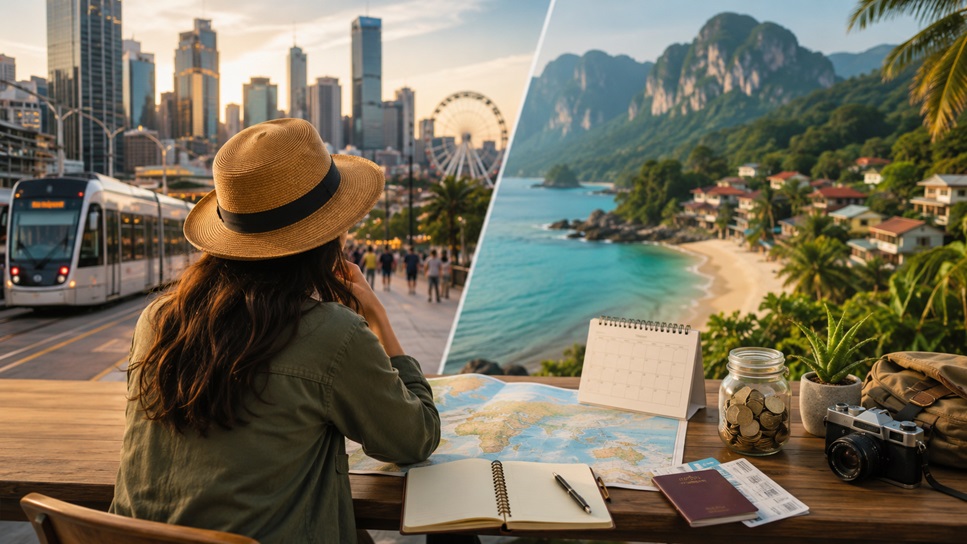
What’s the cheapest way to have an enjoyable trip? Plan the best dates, weigh up all costs together, and book major pieces in advance.
Have a loose structure and make the most of where you go for the budget. Planning city breaks or away trips: planning will be slightly different for both. For a big city, you may find plenty of flight and accommodation options, plus there is an abundance of transport options between each part of the city. For remote parts, you might have an additional journey involved with a flight, ferry, taxi, or bus.
Start With A Clear Travel Budget
Defining your budget provides a form to take at the entire trip; it will assist to finalize things related to food, accommodation, travelling and action that it is feasible for you.
Divide The Budget Into Simple Parts
Take notes and record your anticipated ticket prices, accommodation costs, Food & beverage expenses, local travelling expenses, tour fees & souvenirs, or local shopping costs. Be reasonable with the prices for any of the items mentioned above.
A city experience might entail high expenses for public transport and places of tourist attraction, whereas, if it is an away-station holiday, you may incur high costs of taking the last vehicle to andfrom theo station or airport.
Set a little allowance for tea, snacks, local items you would want to purchase, and some unique yet unexpected event such as a unique show you didn’t find out beforehand.
Compare The Full Travel Cost
That’s just one part of the trip cost though. Factor in airport transport, baggage costs, selection fees, airport and local transfers and travel time to accommodation.
For a city break, some travellers search for Direct flights Dubai — Muscat and then compare airport location, arrival time, and public transport access. A flight that matches hotel check-in and local transport can make the first day smooth and useful.
Choose Dates That Support Your Budget
Travel dates can change the full cost of a holiday. Flexible dates often give you more choices for flights and rooms.
Check Weekdays And Local Seasons
Midweek bookings may provide great fares on a lot of lines. City hotels can charge more on business days compared with holiday weekends or school holidays. The best idea is to look at dates around that chosen and see the dates that might offer such a great travel package.
As for remote areas of travel, the routes will certainly depend on local conditions,s festivals,l and weather-based schedules, as well as local transport.
Travel to some remote areas is best done in months with clear roads (especially on road travel, on sea, good climate temperatures, having constant and regular service on roads.
Plan Connections With Enough Time
Early planning gives you time to compare schedules at a calm pace. You can note suitable flight times, choose a preferred stay, and arrange local transfers before the travel date.
For a remote island route, a traveller may check this route while studying connection times and arrival details. A useful step is to compare the complete route and choose a schedule that gives enough time for each connection.
Pick The Right Area To Stay
The right location can save money and travel time. It can also make daily sightseeing easier and more relaxed.
Stay Near Your Main Places
Pick the location around the attractions and entertainment you value most, in a large city. A spot close to a metro, a bus stop, or a pedestrianized centre can minimise your day-to-day transport costs. From here you’ll start your days off simply, and you can pop back in for a quick nap.
Picture your ideal days at the time you’re booking. You might be the type to seek out lively streets with plenty of cafes and markets. Alternatively, you might be looking for quiet parks and the local corner shop for your groceries – find the neighbourhood that suits your pace.
Check Access In Remote Areas
How far is your rural stay from the airport, ferry crossing, main village, beach, or any natural feature?. A room price might contain free shuttle service, breakfast, lunch, or transport, so you’re likely to discover good value in this region.
Be sure to compare room inclusions. Included items may come in useful and make it so easy, such as free internet, drinkable water, or use of bicycles in a village, use of shared transport, or led tours by locals.
Use Local Transport With A Simple Plan
Local transport is part of the travel experience. A little research can help you move around with ease and keep the daily budget steady.
Learn The Main City Options
Major cities often have trains, buses, trams, shared rides, and walking routes. Check daily passes, stored-value cards, and airport links before you arrive. A simple transport plan can save time on the first morning.
Walking is also a pleasant way to see neighbourhoods, parks, food streets, and local shops. Group nearby places on the same day. This keeps the schedule light and gives you more time at each stop.
Arrange Remote Transfers Early
Depending on where you are, a transfer back can be via ferry, small plane, bus, boat or other regional transport. Jot down the departure times/locations and the travel times to that one document. Enquire with your accommodation provider or the local information centres regarding the typical mode of transport for a return transfer.
Alternatively, if there is a good transfer rate available, you may find a shared transfer can be a good way of interacting with the local community and fellow travellers, whilst gleaning practical tips.
The arrival day should be peaceful with adequate time for you to settle into your accommodation and relax.
Spend Well On Food And Activities
Food and activities bring local character into a trip. A balanced plan lets you enjoy special experiences while keeping everyday spending simple.
Mix Local Meals With Special Dining
Most local cafes, bakeries, markets, and the smallest restaurants offer fresh and affordable fare. Seek out local favorites and sample national specialties. You can use the crowd in one place as an indicator of freshness and continuous business at certain hours, especially meal times.
Finally, set aside just a few truly \”special\” meals, which you’ve arranged at times or events such as birthdays, sunsets, performances, or on your last evening; this strategy does not usually break a budget but can add emotional value.
Choose Activities That Matter To You
Make a short personal list of the places and experiences you truly want. In a city, this may include a museum, viewpoint, historic area, local market, or live performance. In a remote place, it may include a lagoon visit, nature walk, village activity, or boat trip.
Many destinations also offer public parks, walking streets, viewpoints, community events, and cultural spaces. Mix these with paid activities. The result can feel full, relaxed, and personal.
Keep The Daily Plan Light
A simple daily plan is easy to follow. It also gives you space to enjoy a café, a local conversation, or a beautiful view for a little longer.
Plan One Main Activity At A Time
Choose one main activity for the morning and one for the afternoon. Keep nearby places together. Add meal time, rest time, and local travel time so the day feels comfortable.
Save booking details, addresses, and transport notes on your phone. You can also keep a small written copy. This makes it easy to check important details while moving around.
Final Thoughts
This means travel affordably comes down to making simple decisions at optimal times; to create a realistic budget, consider all transit involved, stay in a place that’s practical for your needs, and focus dollars on things you value.
A large urban destination has the promise of entertainment, cuisine, history, and connectivity – the remote location may have the potential for quiet spaces, connecting with local cultures, and novel activities; both can work well on a tight budget if planned out carefully!

Comments are closed.